Fitness-tracker guides should explain not just what the device measures, but what kind of relationship it creates with the wearer. Some products motivate. Some products nag. Some disappear into routine. The real buyer question is whether the tracker changes behavior enough to justify both the price and, in some cases, the ongoing membership.
A clean fitness-tracker decision tree
Before buying, work through this short sequence:
- Decide whether the priority is recovery awareness, training depth, or daily smartwatch utility.
- Decide whether the device should sit on the wrist or somewhere passive like a finger or upper arm.
- Decide whether an ongoing membership cost is acceptable, or whether a one-time purchase is the only path.
- Decide whether the device must also handle workouts, maps, contactless payments, or onboard music.
- Confirm a comfortable wear shape: ring, band, or watch.
- Confirm the battery cadence matches your charging habits, especially around sleep tracking.
Match those answers to product shape, not to brand. A recovery-first reader is poorly served by a maps-and-music smartwatch. A triathlete is poorly served by a screenless ring.
Why Oura Ring 4 leads for low-friction recovery
Oura Ring 4 is the best first pick for readers who want recovery and sleep awareness without a screen on their wrist. Oura’s product materials describe a titanium design, recessed sensors, Smart Sensing, blood oxygen sensing during sleep, heart-rate and HRV tracking, temperature sensing, typical 5-8 day battery life, and 100m water resistance.Oura Ring 4
That makes it the strongest behavioral recommendation for readers who want passive tracking rather than a sports-watch workflow.
Why the premium smartwatch tier matters
For buyers who want one wrist device that handles workouts, comms, health screening, and daily smartwatch utility, the premium smartwatch tier is the right product shape — a different category from Oura’s screen-free ring.
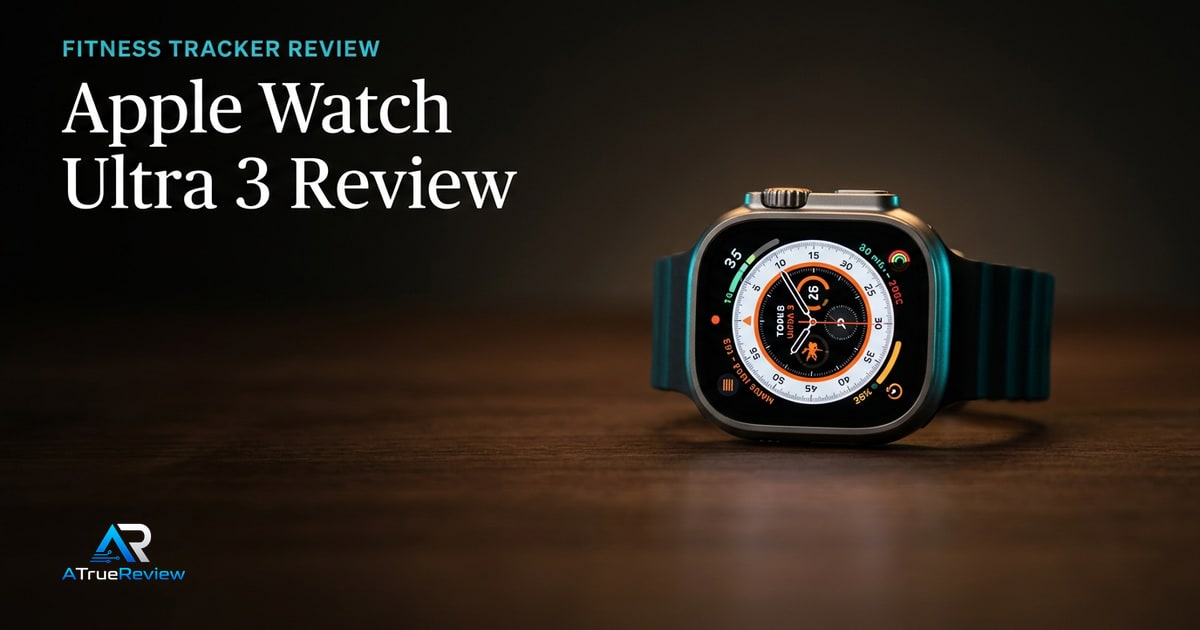
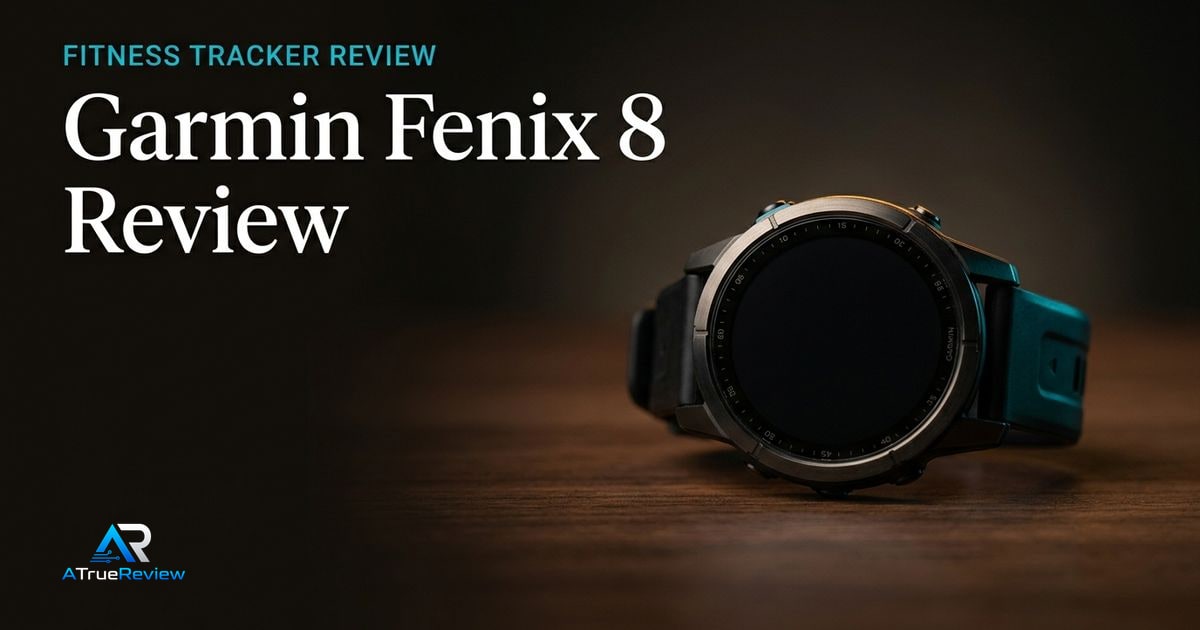
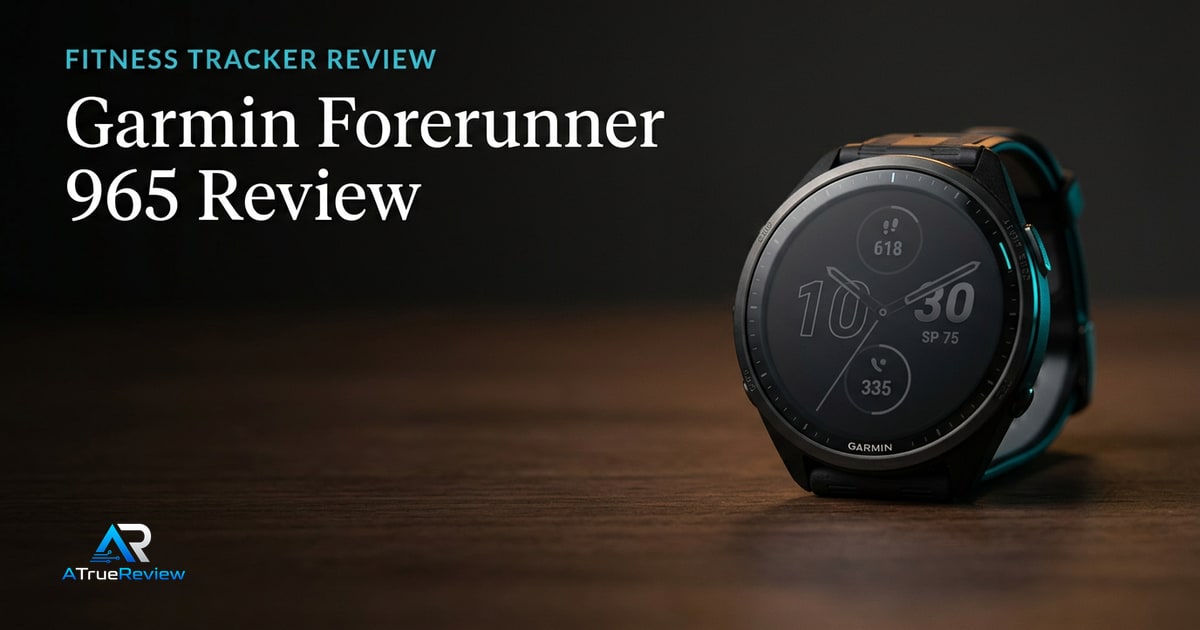
The Apple Watch Ultra 3 is the iOS-only flagship — S10 chip, 1Hz always-on LTPO3 AMOLED, 42-hour battery, sleep apnea and hypertension notifications, ECG, 5G cellular, and satellite SOS / messaging. The Garmin Fenix 8 is the cross-platform adventure flagship — AMOLED or Solar variants, EN13319 dive-computer mode, microphone-and-speaker, full TopoActive mapping, and Garmin’s deepest training stack. The Garmin Forerunner 965 is the value pick for serious runners — the same premium Garmin training stack on AMOLED at roughly half the Fenix 8 price.
That is a different product shape than Oura: more capable, more visible, and more watch-like, with the ecosystem and battery trade-offs each platform brings.
Why WHOOP 5.0 is the subscription pick
WHOOP is the most explicitly membership-driven option. WHOOP positions the 5.0/Peak experience around 24/7 monitoring, 14+ day battery life, Healthspan and Pace of Aging, Health Monitor alerts, real-time stress monitoring, and personalized guidance.WHOOP
That can be valuable for athletes and recovery-focused readers, but it is not the right fit for someone who dislikes ongoing subscription dependency.
What each tracker has to prove before you pay
Wearables are easy to buy on aspiration. The better move is to ask what each device has to prove in the buyer’s actual routine.
- Oura Ring 4 should prove that passive sleep and recovery insight will get used consistently enough to justify both the ring price and the ongoing membership.
- Apple Watch Ultra 3, Garmin Fenix 8, and Garmin Forerunner 965 should prove that the buyer really wants one wrist device for training, maps, payments, calls, and general smartwatch utility rather than a simpler recovery tracker.
- WHOOP 5.0 should prove that coaching-style subscription insights will change training or recovery behavior enough to justify annual spend.
If the buyer cannot name the behavior the tracker is supposed to change, the better move is often fixing the routine first instead of outsourcing motivation to a wearable.
This is the cleaner way to buy a tracker. Do not ask which wearable measures the most things. Ask which one will still change behavior after the novelty of the dashboard wears off.
When a fitness tracker is not the answer
A tracker solves a measurement and feedback problem. It is usually the wrong purchase when:
- the wearer already has a clear daily routine and tracks adherence on paper or in an existing app
- the wearer dislikes screens and notifications and would not act on the data anyway
- the goal is weight loss, where food choice and protein targets typically move the needle more than wrist data
- recovery feedback would create anxiety rather than influence behavior
- a phone health app already provides enough signal to validate the routine
In those cases, a habit tracker, a structured journal, or working with a coach or clinician will usually compound faster than a $300 wearable.
What still needs hands-on validation
Before this guide becomes a final buyer ranking, the site should test wear comfort, sleep-stage consistency, workout detection, battery drain, app fatigue, subscription value, data export, privacy settings, and whether the product changes behavior in a useful way after several weeks.
Where to go next
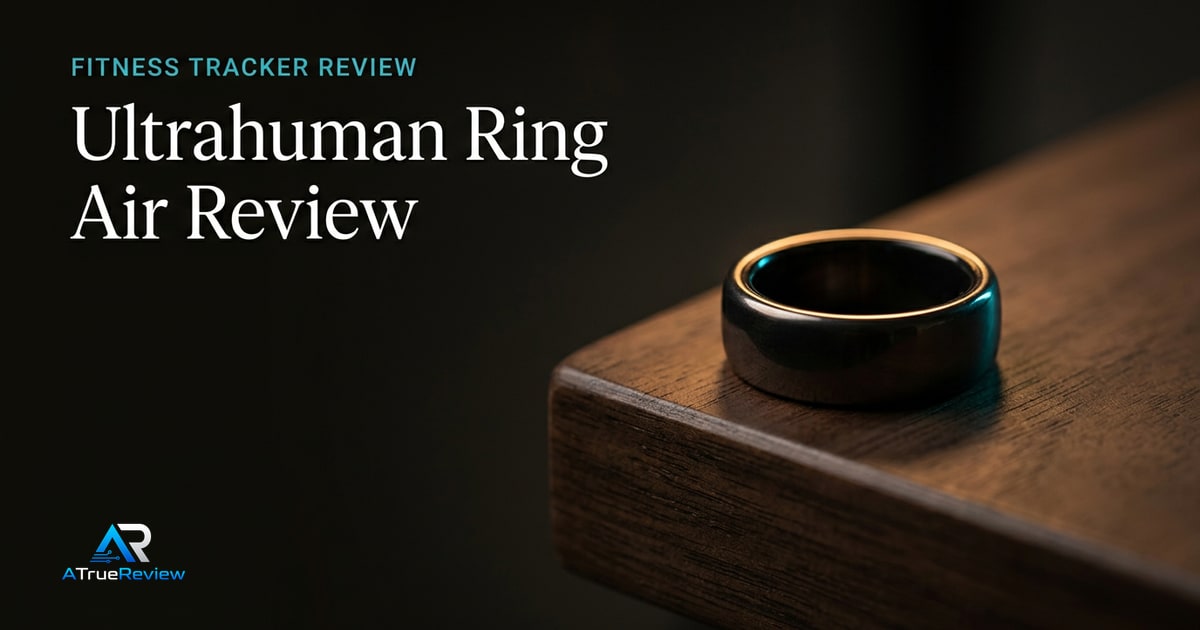
For product-level buying verdicts, the site now has launch-brief coverage of the leading current health gadgets. For ring-based passive recovery, see the Oura Ring 4 review as the reference, the Samsung Galaxy Ring review for the no-subscription Samsung-ecosystem alternative, and the Ultrahuman Ring Air review for the featherlight metabolic-angle pick. For wrist-based recovery without a watch, see the Whoop 5.0 review.
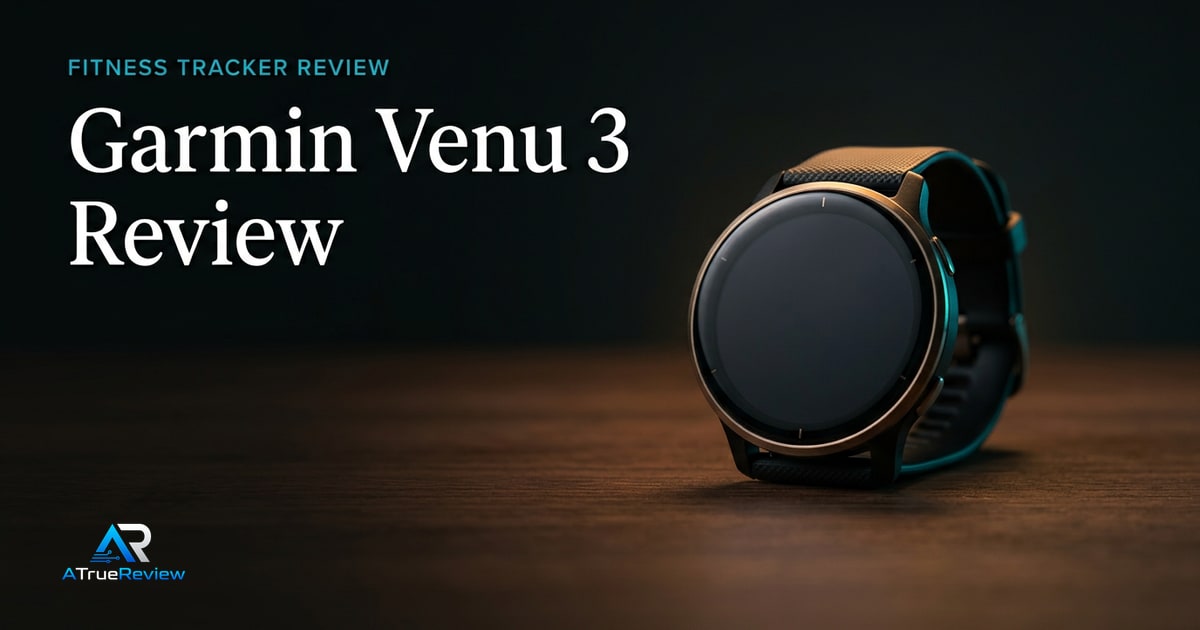
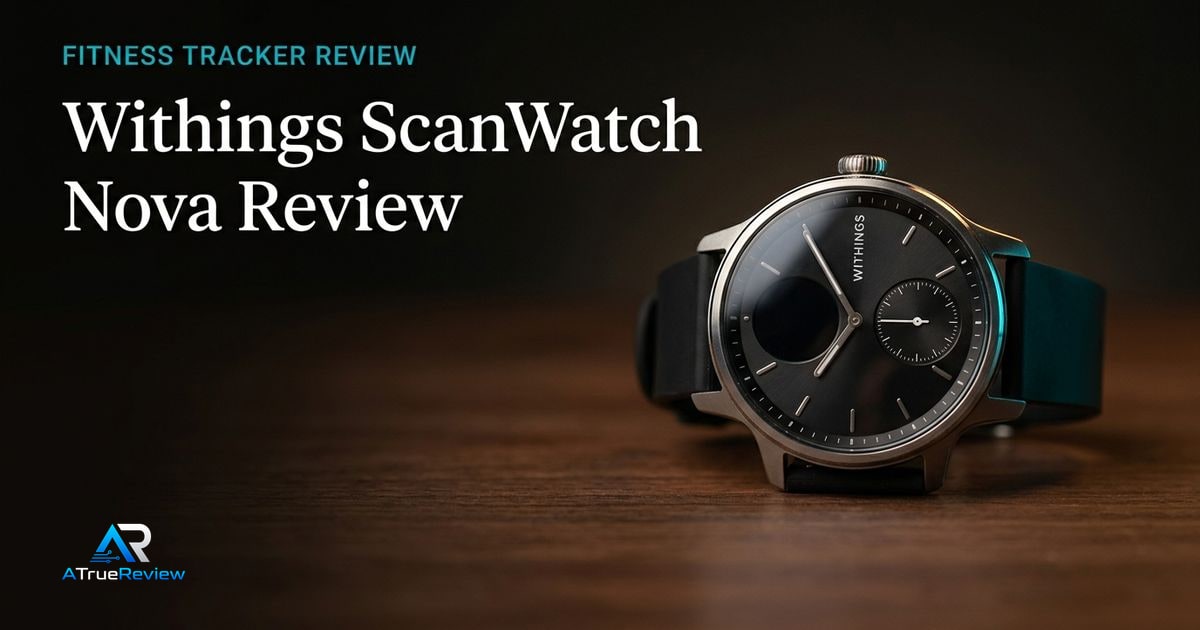
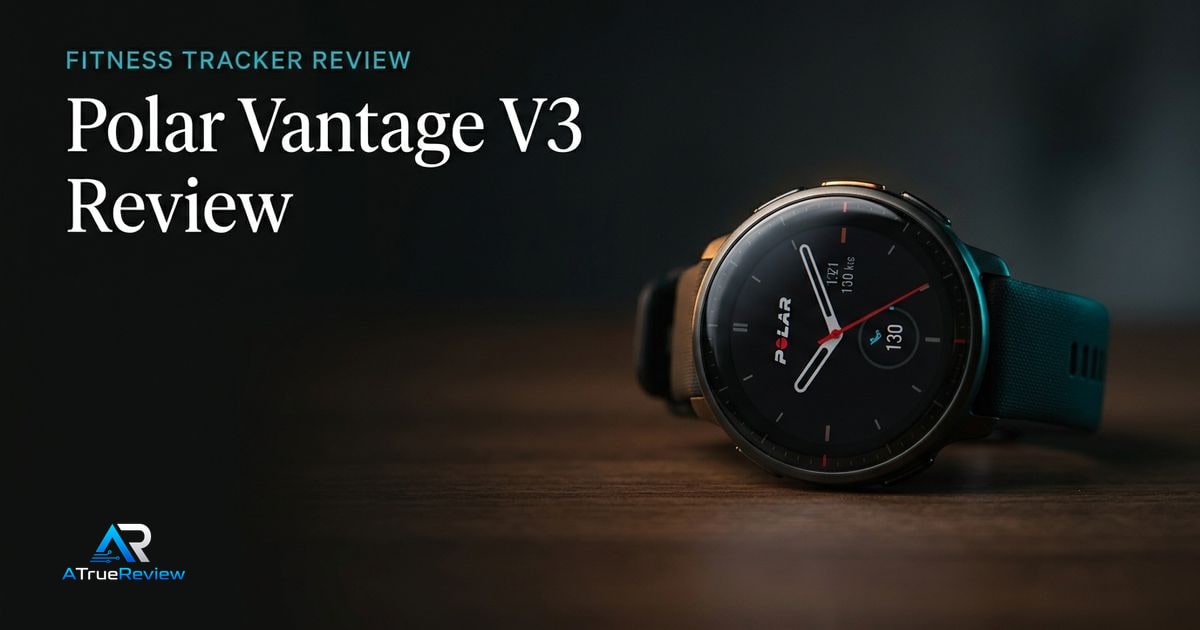
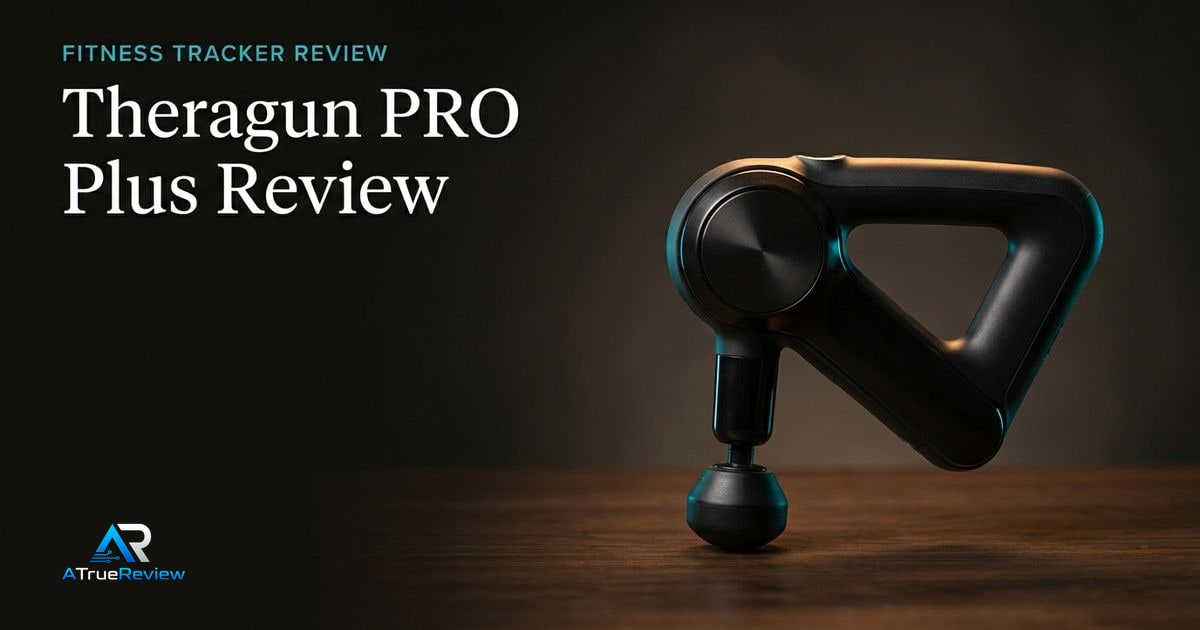
For premium health smartwatches, the Apple Watch Ultra 3 review covers the iOS-only flagship with cellular and satellite messaging, the Garmin Fenix 8 review covers the cross-platform adventure-and-dive flagship, the Garmin Forerunner 965 review covers the runner’s value pick, the Garmin Venu 3 review covers the lifestyle Garmin, the Polar Vantage V3 review covers the sport-science training watch, and the Withings ScanWatch Nova review covers the hybrid analog health watch. For active recovery between training sessions, see the Theragun PRO Plus review.
For category context, see fitness trackers for the full wrist and ring lineup, sleep tech when sleep is the primary use case, and smartphones when the phone health app may already cover the basics. The wearables hub collects every wearable category in one place.