Sleep-tech guides need a firmer editorial spine than many commerce categories. Products here often sell the promise of transformation, so the shortlist should distinguish between meaningful sleep improvement and expensive theater. The real buyer question is whether the device solves a recurring nightly problem strongly enough to justify its cost, setup burden, and in some cases the ongoing subscription.
A clean sleep-tech decision tree
Before buying, work through this sequence:
- Decide whether the real problem is temperature, tracking, snoring awareness, or bedtime wind-down.
- Decide whether the product needs to be completely passive or whether wearing a ring, watch, or armband is acceptable.
- Decide whether an ongoing subscription is tolerable or whether the device needs to hold value as a one-time purchase.
- Decide whether the buyer sleeps alone or with a partner, since bed-level temperature systems affect both.
- Decide whether setup friction is acceptable: under-mattress strip, mattress cover, wearable, or bedside device.
- Confirm that the product is solving a recurring problem rather than curiosity for one week.
That decision tree matters because sleep tech ranges from passive sensing to full-bed hardware. A hot sleeper with partner-temperature conflict has a very different problem than someone who mainly wants to validate bedtime consistency.
Why Eight Sleep Pod 4 leads the premium tier
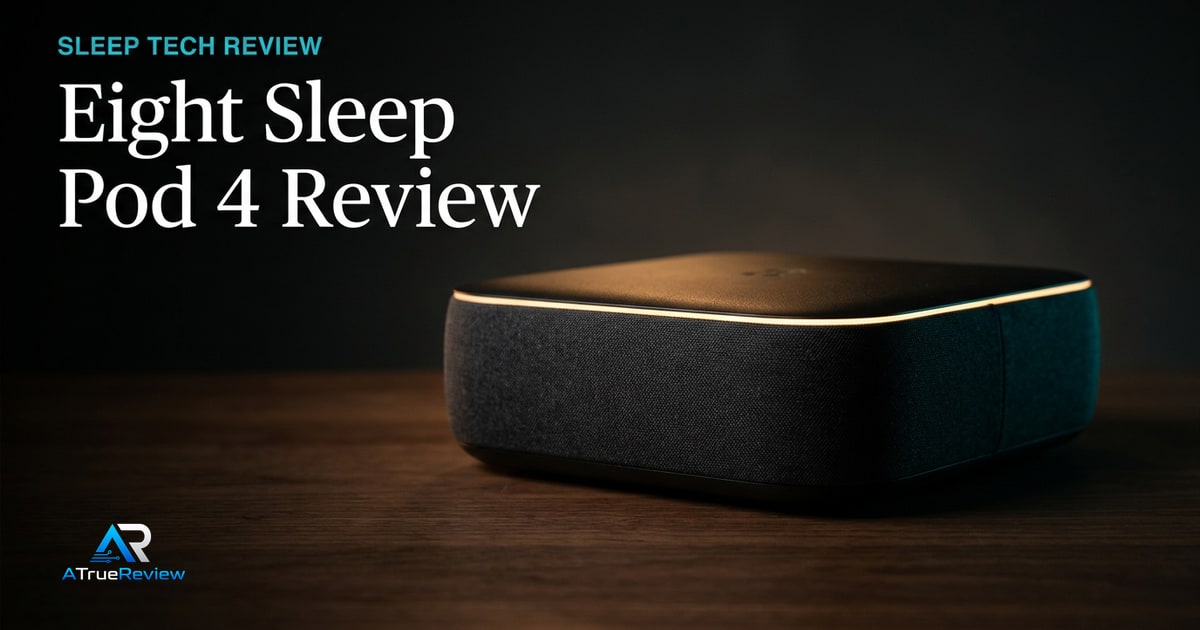
Eight Sleep’s Pod 4 is the most ambitious product here because it changes the bed itself. Eight Sleep describes the system as a Cover and Hub that adjust temperature and track sleep, with Autopilot plans unlocking automatic temperature adjustments, sleep and health reports, vibration and thermal alarms, and snoring detection/mitigation. Optional add-ons include the Base, Blanket, and Pillow Cover.Eight Sleep
That makes it the strongest pick only for readers who already believe sleep quality is worth a high system cost and an ongoing subscription.
Why Withings is the passive tracker
Withings Sleep Analyzer is the easier recommendation for readers who want sleep data without wearing anything. Withings describes it as a one-time under-mattress setup that tracks sleep cycles, sleep quality, night heart rate, snoring, and sleep apnea data in supported regions.Withings Health Solutions Withings product guide
The key caveat is region and medical framing. Buyers should treat it as a passive awareness device first, not as a substitute for clinical evaluation.
Why Dodow stays a watchlist pick
Dodow remains a softer behavioral option rather than a hard recommendation. It may fit readers who want breathing/rhythm support before they buy a tracker or bed-cooling system, but this launch page should not overstate it without current direct testing and current official documentation.
What each sleep-tech pick has to prove before you pay
Sleep tech is easy to buy on hope. The better move is to ask what each product has to prove in the buyer’s actual nights.
- Eight Sleep Pod 4 should prove that temperature control is a real recurring sleep problem worth solving with a full-bed system plus subscription.
- Withings Sleep Analyzer should prove that passive tracking insight is enough to change sleep behavior without another wearable or a more expensive intervention.
- Dodow 3 should prove that bedtime pacing and routine support are the real bottleneck before the buyer jumps to a high-cost connected device.
If the buyer cannot name the specific sleep problem the product is supposed to solve, the better move is often fixing the room, mattress, or routine first instead of outsourcing the hope to hardware.
This is the cleaner way to buy sleep tech. Do not ask which product promises the biggest transformation. Ask which one solves a specific nightly problem you can already name.
When sleep tech is not the answer
Sleep tech is usually the wrong first purchase when:
- the real issue is an old mattress, bad pillow fit, room noise, or poor blackout conditions
- caffeine timing, alcohol, or late-night screen habits are more obviously disrupting sleep
- the buyer already ignores health data and is unlikely to change behavior from another dashboard
- loud snoring, gasping, persistent insomnia, or major daytime sleepiness point to a clinician problem before a gadget problem
- the budget would be better spent on basic bedroom comfort fixes first
In those cases, bedroom environment changes or medical follow-up will usually compound more than a premium subscription device.
What still needs hands-on validation
Before this becomes a final buyer guide, the site should test setup burden, comfort, partner disturbance, noise, subscription value, accuracy versus wearable trackers, travel limitations, data usefulness, and whether sleep actually improves after the novelty period.
Where to go next
For the premium bed-level temperature system, read the Eight Sleep Pod 4 review — the right call if temperature control is the real recurring nightly problem.
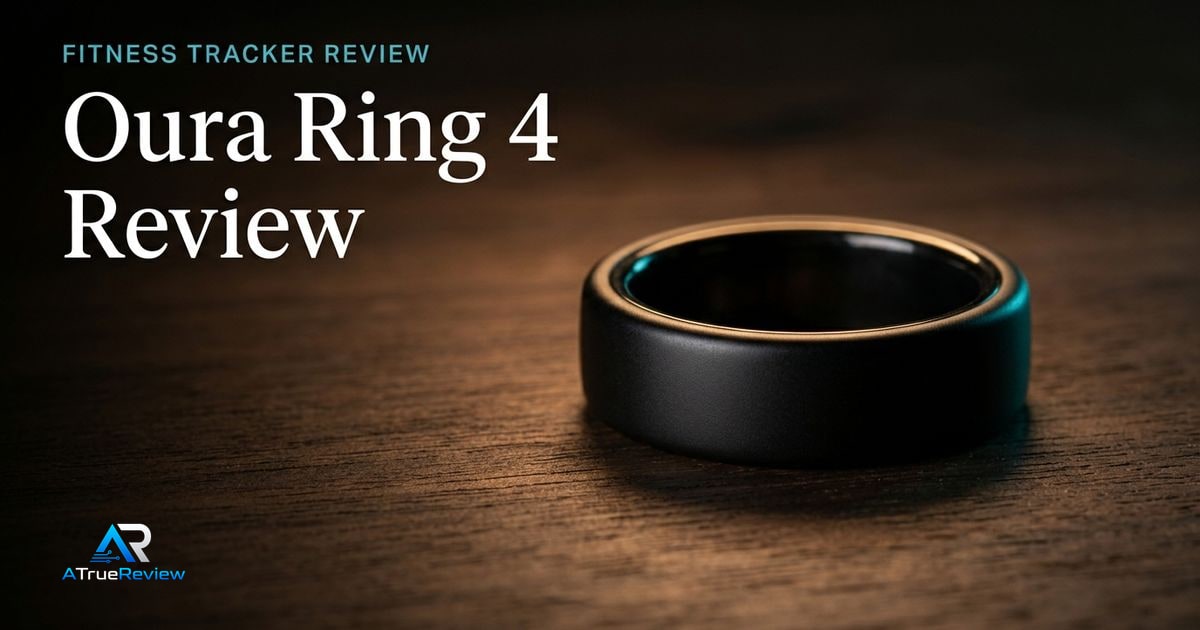
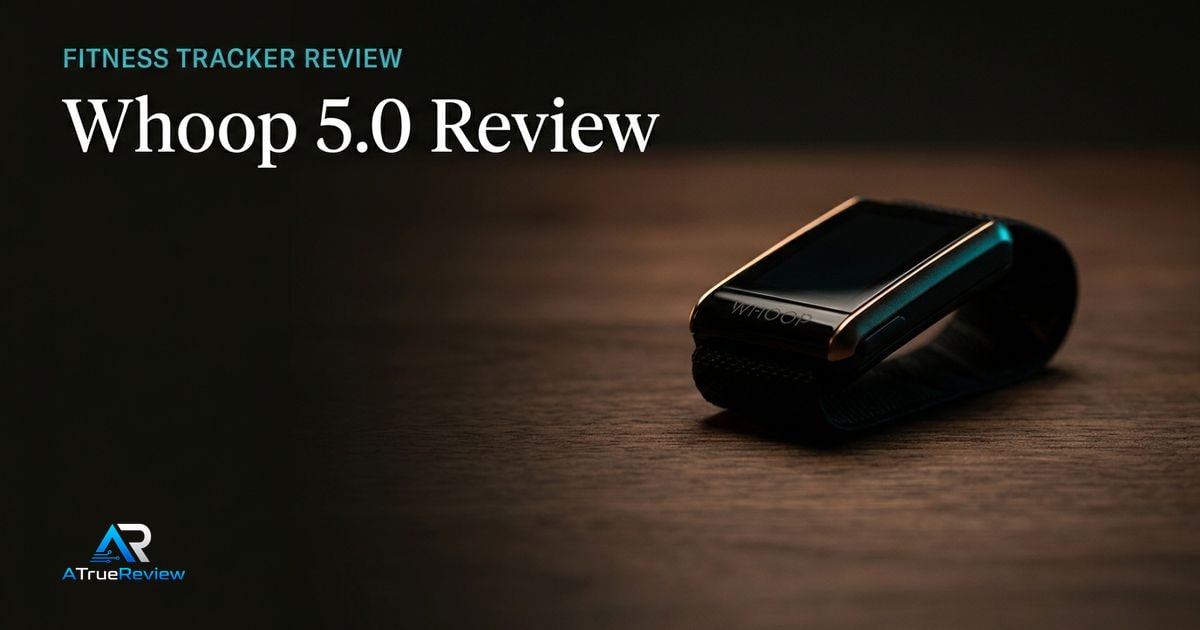
For wearable-based sleep tracking that pairs with the bedroom layer, the site has launch-brief coverage across the leading current devices. For ring-based passive sleep tracking, see the Oura Ring 4 review as the reference, the Samsung Galaxy Ring review for the no-subscription Samsung-ecosystem alternative, and the Ultrahuman Ring Air review for the featherlight metabolic-angle pick. For wrist-based recovery without a watch, see the Whoop 5.0 review — the closest philosophical sibling to Oura in strap form. For full smartwatch sleep tracking, the Apple Watch Ultra 3 review covers sleep apnea notifications and sleep score on the iOS flagship, and the Withings ScanWatch Nova review covers Respiratory Scan and 24/7 temperature on a hybrid analog form factor.
For broader routing, use sleep tech for the category view, fitness trackers when wearable sleep data is the better fit, and the health tech hub for the wider sleep-and-recovery stack.