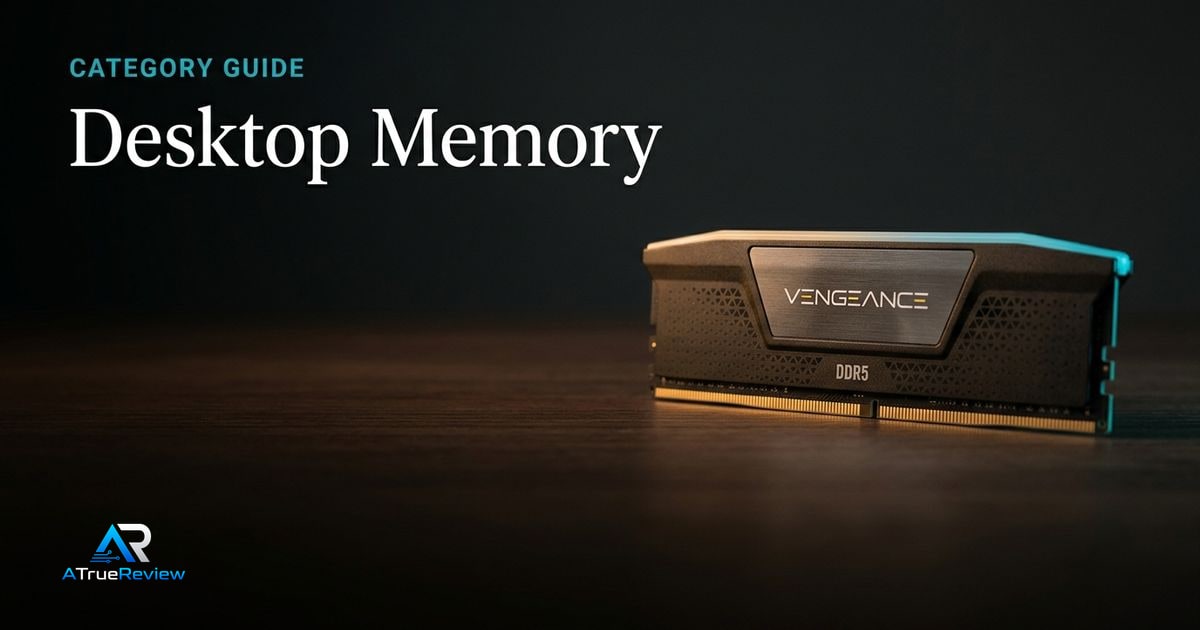
Desktop memory buying should start with the platform. A fast kit is only useful if the CPU memory controller, motherboard QVL, BIOS, and DIMM layout can run it reliably.
Picks on this page favor stable matched kits, sensible capacity, clear EXPO or XMP profile support, and cooler compatibility over the highest advertised MT/s number.
How to use this desktop memory category
Use this page to narrow the RAM problem before jumping into a single kit review or a broader shortlist.
- Start here if the real question is capacity versus speed, AMD EXPO versus Intel XMP, or low-profile compatibility versus taller enthusiast kits.
- Move to the featured review when one specific DDR5 kit already looks right and the remaining questions are about platform fit, timing, or stability tradeoffs.
- Move to the best-of guide when the buyer still needs shortlist logic across mainstream, enthusiast, and low-profile memory picks.
- Cross into the adjacent hardware categories when the real constraint is motherboard QVL support, cooler clearance, SSD upgrade balance, or GPU bottlenecks rather than RAM itself.
This category is most useful when the builder already knows the platform and now needs to avoid paying for memory specs the board, BIOS, and CPU memory controller will not use well.
This is the cleaner way to buy desktop RAM. Do not ask which kit has the wildest MT/s number. Ask which one the board, BIOS, cooler, and workload can actually run cleanly every day.
When a desktop memory category is not the answer
RAM research is usually the wrong next step when:
- the system already has enough memory and the real bottleneck is storage, thermals, or graphics performance
- the buyer is trying to solve instability caused by BIOS settings or mixed kits rather than choosing one clean matched kit
- the current motherboard or CPU does not support the targeted memory generation or speed tier anyway
- the budget would move real performance more by upgrading the GPU, SSD, or cooling setup
- the buyer is chasing higher MT/s numbers even though the platform sweet spot is lower and more stable
In those cases, the better move is often fixing the actual platform bottleneck or keeping the current memory until the next full upgrade cycle.
Where to narrow next
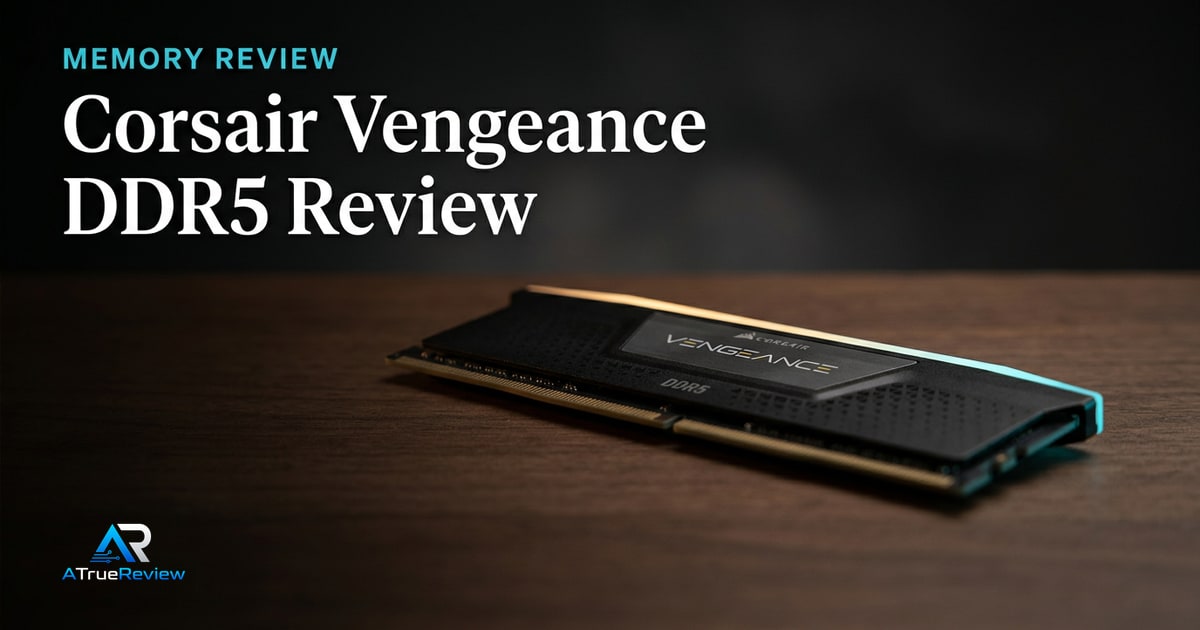
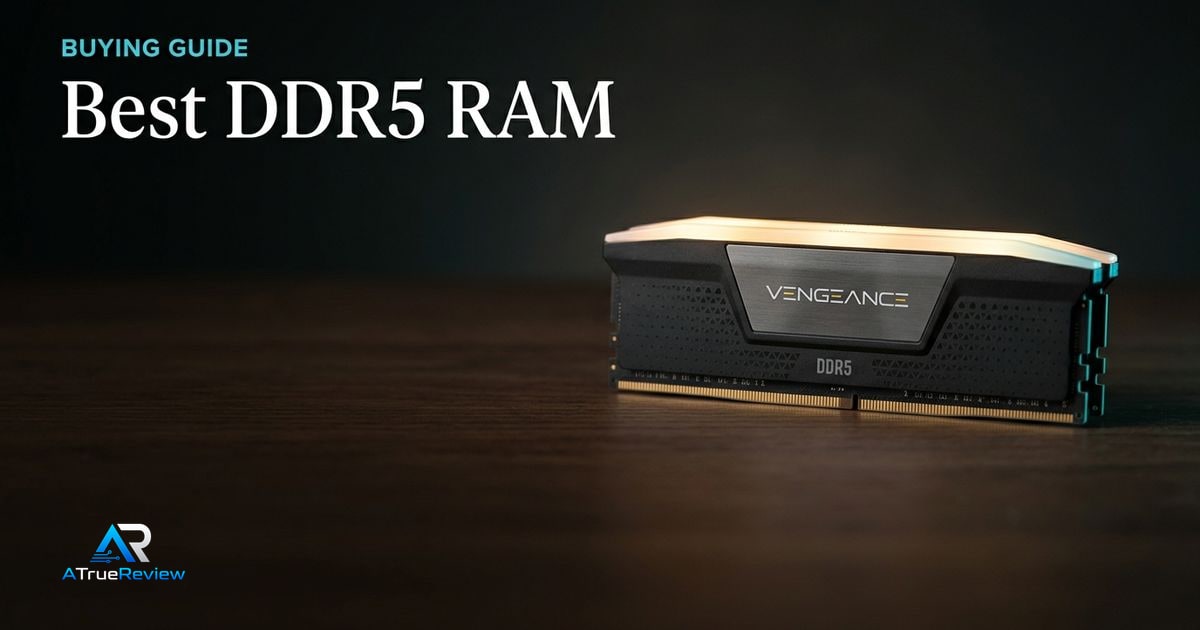
For a product-level buying verdict, start with the Corsair Vengeance DDR5 review. For shortlist logic across the category, open best DDR5 RAM. RAM compatibility also starts with motherboards before choosing EXPO or XMP kits, CPU coolers before buying tall heat spreaders, internal SSDs when balancing memory versus storage upgrades, and the wider computing hub when the whole build still needs shaping.