Verdict
The short version
Razer is one of the defining names in gaming peripherals, especially gaming mice. This page acts as brand context and a routing point into specific product coverage, not as a review of any current Razer product.
 Our Method
 Brand history
A reference page on Razer, focused on why the brand still matters in gaming peripherals, how it became tied to gaming mice in particular, and where its products fit in the wider PC-peripheral landscape.
Verdict
Razer is one of the defining names in gaming peripherals, especially gaming mice. This page acts as brand context and a routing point into specific product coverage, not as a review of any current Razer product.
Best for
Readers researching Razer's history, retro gaming-mouse enthusiasts, and visitors who want context before moving into specific mouse, keyboard, headset, or accessory coverage.
Skip if
You want a current ranked recommendation for a specific Razer product. That should come from a dedicated review or comparison page with hands-on testing.
Key takeaways
Razer is best understood as a brand hub: a place to explain why the company matters in PC peripherals, then route readers toward specific reviews and buying guides.
Razer’s own company history describes the modern company as founded in 2005 and dual headquartered in Irvine, California and Singapore.Razer That timing lines up with the era when gaming mice, keyboards, cases, and headsets were becoming a serious specialty rather than an afterthought of the broader PC accessories market.
Razer is a broad gaming-lifestyle brand, but its hardware identity is anchored in mice, keyboards, audio gear, and PC peripheral coverage.
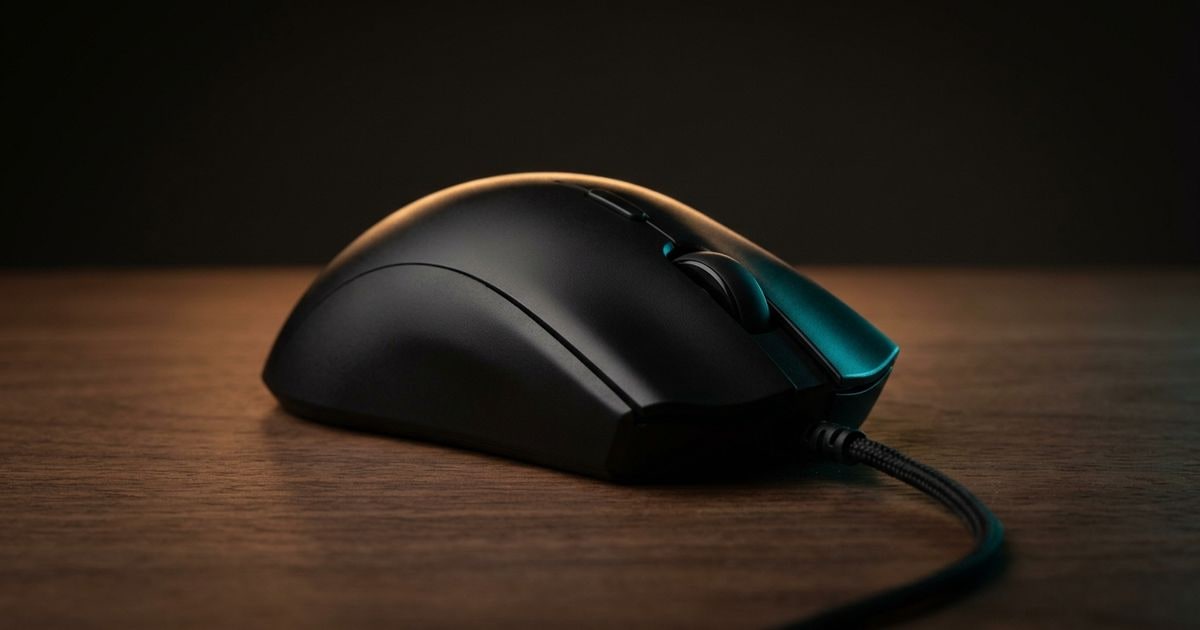
The DeathAdder line is the obvious anchor. Razer’s newsroom says the DeathAdder arrived in 2006 and later became closely associated with gaming-mouse success.Razer Newsroom Another Razer Newsroom release describes the DeathAdder as originally released in 2006 and emphasizes the combination of ergonomics and precision that made the line durable.Razer Newsroom
That is the kind of context a brand page should hold. It should not overreach into fresh product judgments — it should explain the brand’s role and support internal links as the mouse and keyboard sections grow.
This Razer brand hub should:
/mouse/ and /keyboard/ sections with brand contextIt should not:
That restraint matters. A brand hub stays useful when it provides context and routing, not thin or misleading product claims.
ATrueReview is built around topical destinations: /pc-peripherals/, /keyboard/, /mouse/, /audio/, /cases/, and the review archive. A Razer hub belongs beneath that system as brand context, not above it as a standalone editorial silo.
As the site grows, this page links to current Razer-specific reviews, DeathAdder comparisons, keyboard explainers, headset coverage, and historical mouse pieces. Today, it provides a credible reference point for Razer coverage as the rest of the brand index expands.
Razer is central to gaming-peripheral history and directly adjacent to ATrueReview’s strongest categories — mice, keyboards, and PC peripherals. This page exists to give readers that context in one place and to point them at the specific product coverage that follows.
Related pages
FAQ
No. This is a brand context page. Current Razer products are handled on dedicated review pages with hands-on testing.
Razer is directly relevant to the mouse, keyboard, and audio coverage on the rest of the site, so a dedicated brand page gives readers a single place to track that work.
Specific Razer products are covered on individual review pages, with links from this hub as new reviews go live.