ATrueReview Our Method

Retro hardware review

eDimensional Audio FX Headset Review

A historical look at the eDimensional Audio FX Force Feedback Gaming Headset, focused on its rumble-driven immersion, headset comfort, mic quality, and whether this old gaming-audio gimmick was better than it sounded on paper.

Published 2026-04-23 Updated 2026-04-23 edimensional audio fx headset review • audio fx gaming headset
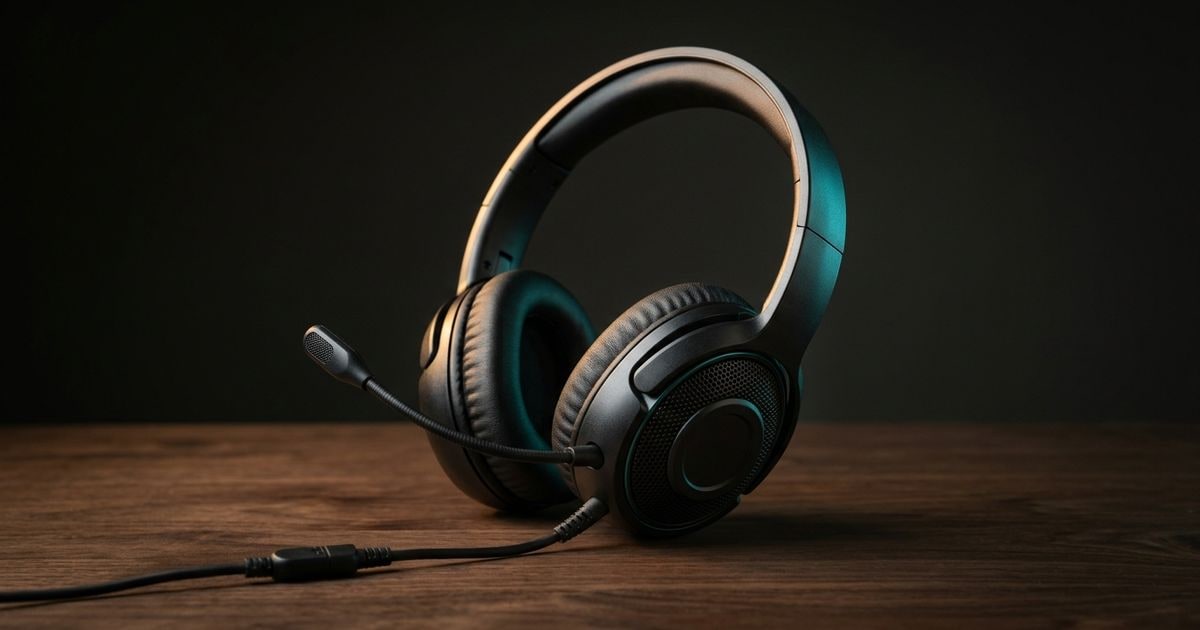
Editorial studio rendering of an over-ear gaming headset with a boom microphone, sitting on a dark walnut surface under a warm tungsten rim light with a subtle cyan accent.

Verdict

The short version

The eDimensional Audio FX headset was one of those rare gaming-audio products that sounded gimmicky and then turned out to be more effective than expected. Its force-feedback vibration was absolutely a spectacle feature, but it also added real low-end physicality to games in a way that made the headset memorable.

Best for

Who it still makes sense for

Retro PC gamers, hardware-history readers, and anyone curious whether old force-feedback gaming headsets were all marketing or whether some of them actually improved immersion.

Skip if

Who should move on

You want accurate modern tuning, lightweight everyday comfort, current platform flexibility, or a headset that competes with today's better wireless and wired gaming-audio options.

Key takeaways

The points worth remembering.

  • The Audio FX Force Feedback Gaming Headset combined standard stereo playback with vibration-driven low-end feedback, making explosions and engine noise feel more physical than on ordinary gaming headsets.
  • Archived retail specs and review coverage agree that the Audio FX was more than a novelty piece: it had a real noise-cancelling mic, inline controls, and a surprisingly durable reputation among early PC gamers.
  • The biggest modern limitation is not that the idea was bad. It is that current headset design has moved toward cleaner tuning, lighter builds, and broader device compatibility.
  • Search intent for this page is mostly about whether the Audio FX was a joke product. The honest answer is no. It was a loud, very 2000s solution to immersion, but it was not fake.

Why the Audio FX headset was more than a cheap gimmick

The eDimensional Audio FX headset came from a period when PC gaming hardware was aggressively trying to feel more immersive. Sometimes that produced junk. Sometimes it produced something memorable. The Audio FX belongs in the second category.

Even the old Newegg listing frames the headset around a clear idea: stereo gaming audio plus force-feedback vibration, a noise-cancelling microphone, inline controls, and a USB-powered lighting and rumble system layered on top of standard 3.5mm audio connections.Newegg That is an extremely mid-2000s spec sheet, but it is also specific enough to explain why the product stuck in people’s memory.

What the force-feedback feature actually did

This is the part that matters. The Audio FX gaming headset sounded like a novelty because it literally vibrated on your head. That should have been ridiculous. What made it work is that the effect was tied to low-end impact instead of random visual flash.

Ghost Recon Net’s original review is still the clearest surviving argument for it. The reviewer went in skeptical, then ended up preferring the headset long term because the vibration added a real sense of physicality to explosions, engine noise, and heavier in-game effects rather than just buzzing for show.Ghost Recon Net

That does not make the Audio FX a precision audio tool. It makes it a gaming-first immersion headset from a time when that kind of category line was still being invented.

Why it sold beyond the gimmick

The headset would not have lasted on novelty alone. The archived retail listing points to the parts that made it viable:

  • full-size circumaural ear cups
  • a dedicated noise-cancelling boom mic
  • inline volume and vibration controls
  • plug-and-play setup with standard audio jacks plus USB power

That meant the Audio FX did not need to win on audiophile credibility. It needed to be fun, usable, and easy to run on a Windows gaming PC. By those standards, it clearly delivered.Newegg

Where the age shows now

The eDimensional Audio FX Force Feedback headset aged in exactly the way you would expect:

  • it is bulkier than current gaming headsets
  • the sound profile is built for spectacle more than balance
  • platform support assumptions are older and PC-centric
  • the force-feedback effect is interesting, but it is not a substitute for genuinely better drivers and tuning

That does not mean it failed. It means its strengths are historical now. The Audio FX solved immersion with brute force and personality.

Bottom line

The Audio FX headset is worth remembering because it captures a real phase of PC gaming hardware: the moment when accessory makers stopped asking only how a headset sounded and started asking how it could make a game feel bigger. Most products built on that instinct aged poorly. This one aged interestingly.

It was not subtle. It was not refined. It was better than it had any right to be.

FAQ

Answer the obvious questions directly.

Was the eDimensional Audio FX headset actually good?

For its era, yes. It offered a better-than-expected mix of immersion, microphone quality, and game-focused fun, even if the force-feedback feature was obviously more theatrical than neutral.

How did the Audio FX force feedback work?

It used bass-driven vibration in the ear cups so low-frequency effects felt more physical, especially in explosions, engines, and other heavy in-game sounds.

Is the Audio FX headset worth using now?

Only as a retro curiosity or legacy-gaming accessory. It is historically interesting, but modern headsets are easier to recommend for overall sound quality, comfort, and compatibility.